```
Smiling woman with dark hair wearing a black sweater engaging with a man in a white shirt.
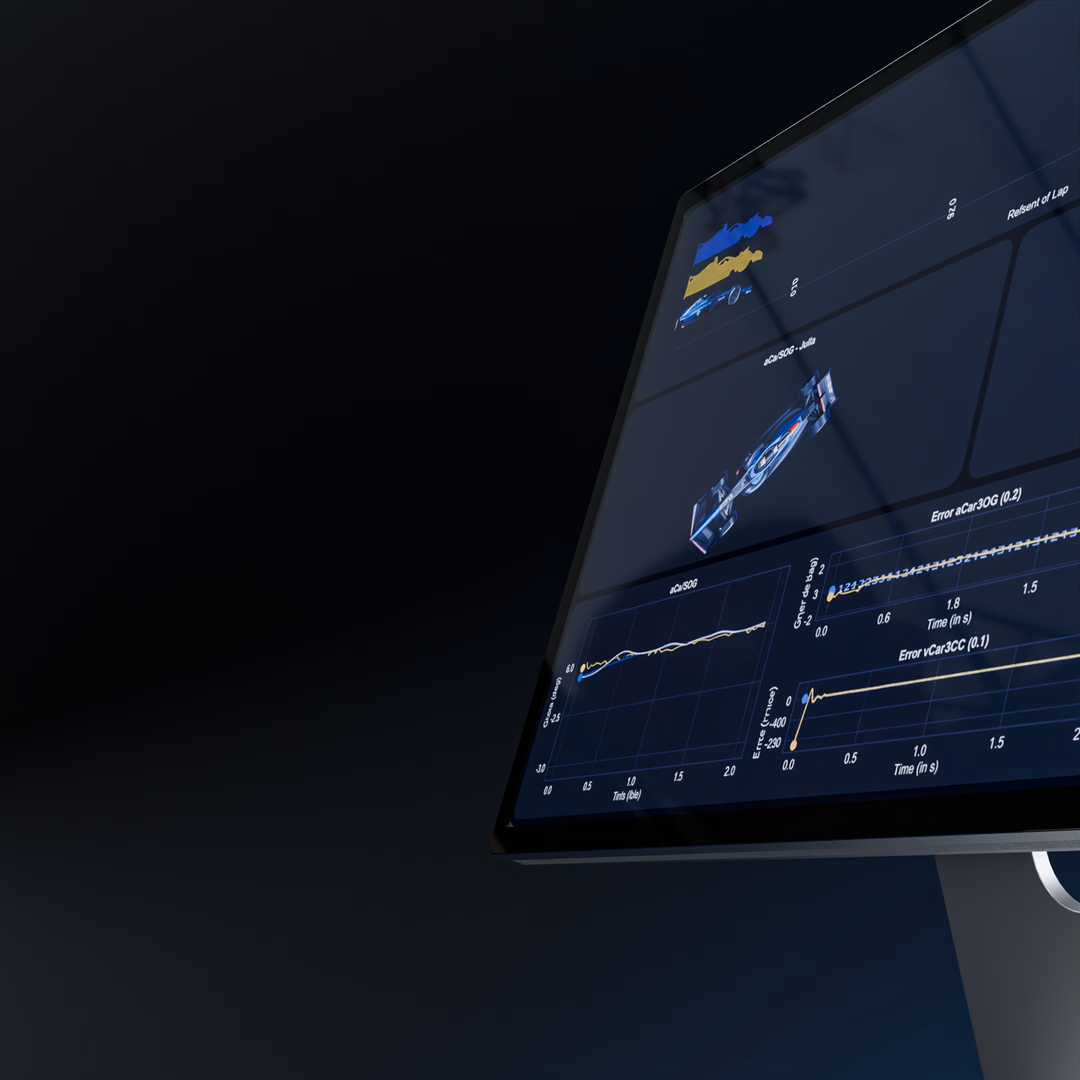
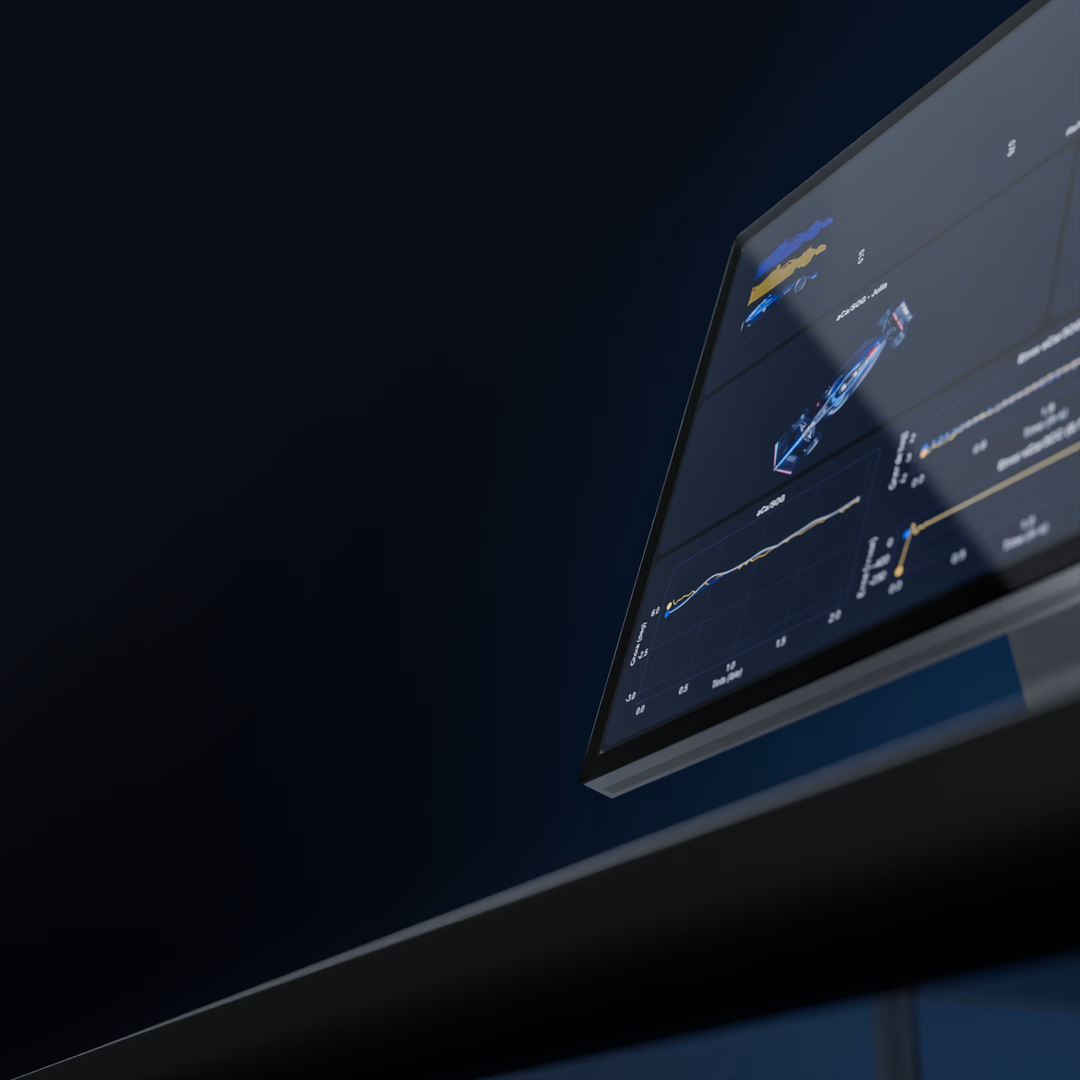
Computer monitor showing racing car data with graphs and car models in dark-themed interface.
Who we are

Williams Grand Prix Technologies takes on the engineering challenges that others cannot, across marine, energy, mobility, and defence.​

Based in Grove, the historic home of Atlassian Williams F1 Team, our work is rooted in the engineering culture and disciplines developed there over nearly fifty years of competition at the highest level. At the core of our capability is advanced battery technology and physics- informed machine learning, delivered as fully integrated systems. By combining first-principles physics with data-driven intelligence, we deliver predictive, robust, and scalable solutions for industries where performance, reliability, and safety are non-negotiable.​

Explore our technology
arrow_downward
arrow_downward
Meet the team

The people behind the engineering.
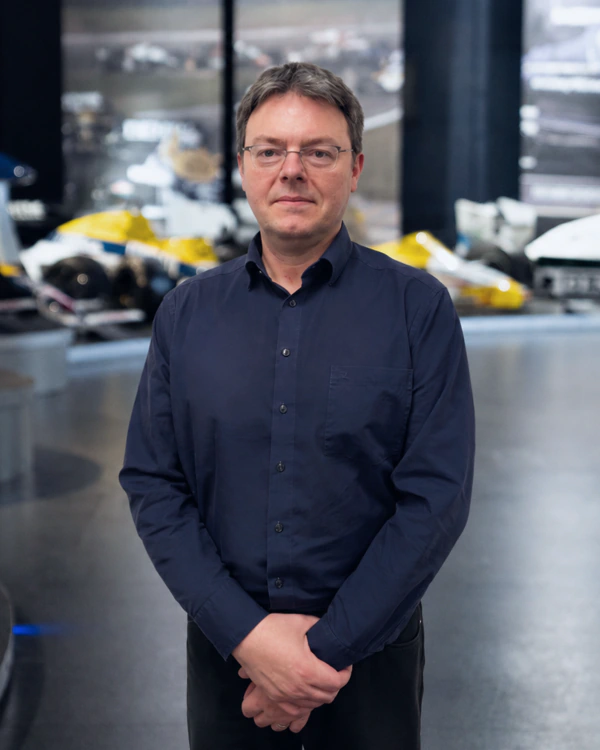
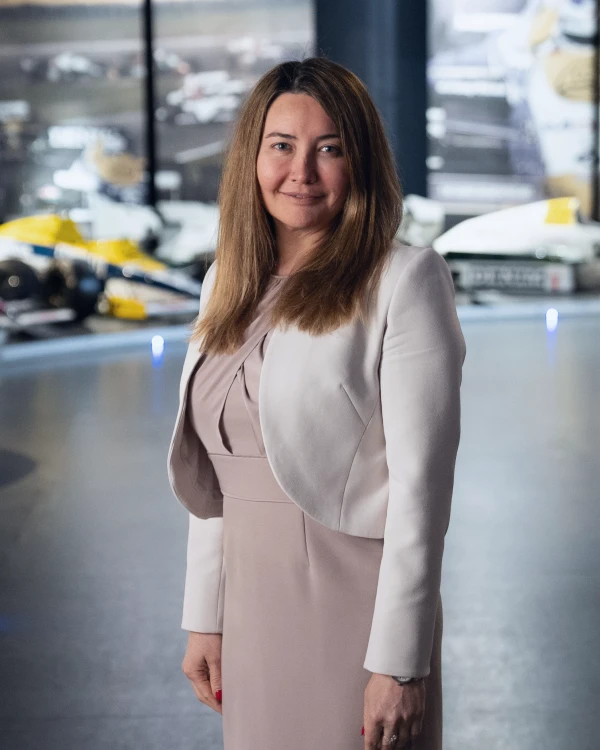
Selin Aria Tur
Managing Director & Chief Technology Officer
LinkedIn
arrow_outward
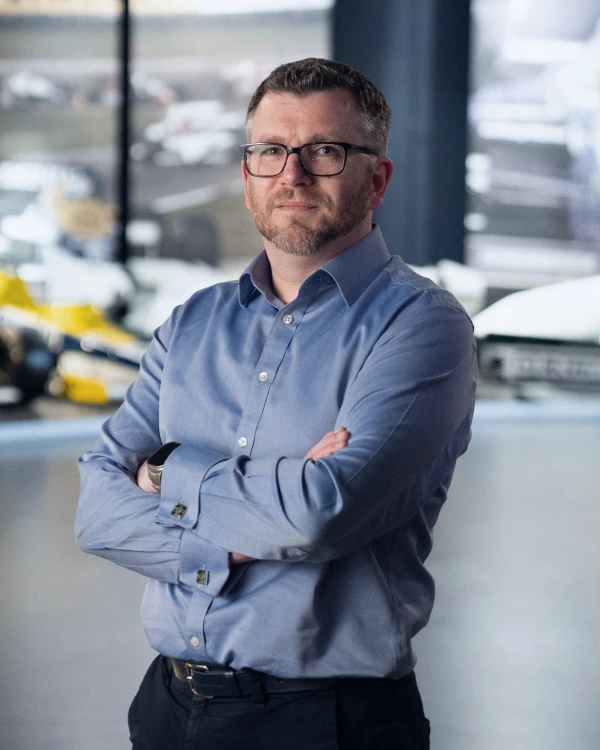
Jake Conway
Director of Product and Systems Engineering​
LinkedIn
arrow_outward
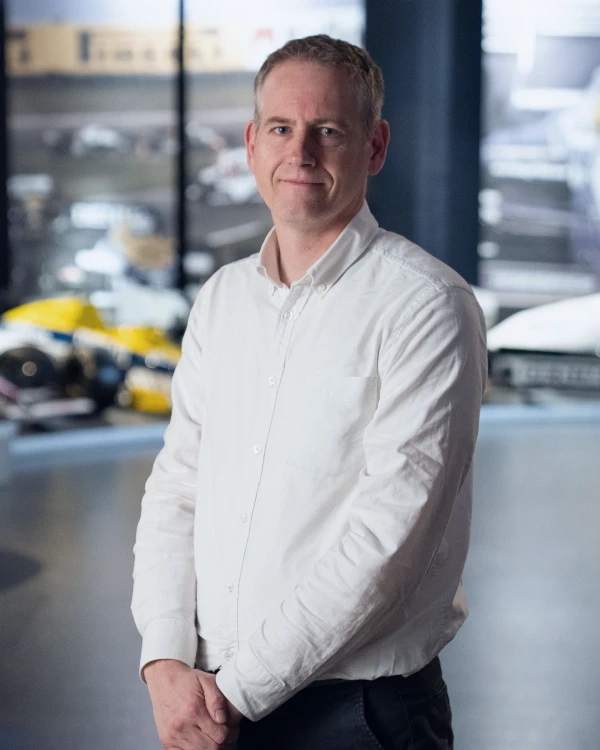
Andrew Joyce
Head of Operations
LinkedIn
arrow_outward
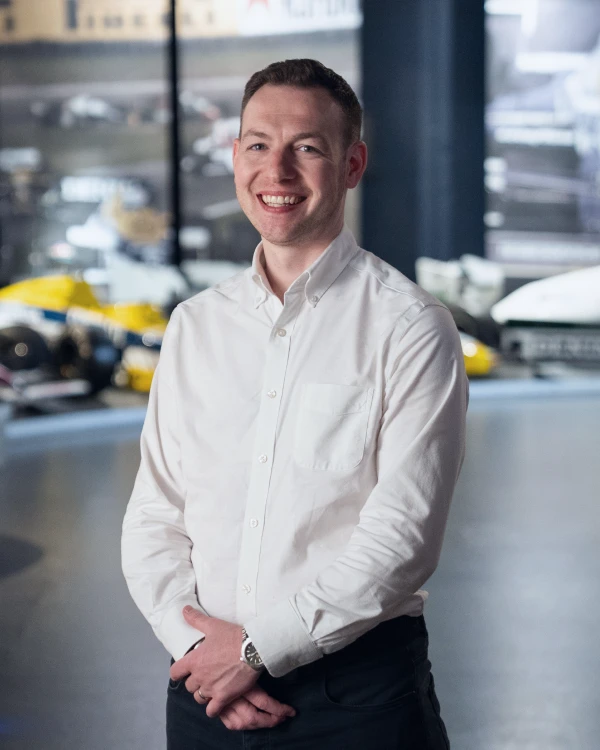
Chris Gardner
Head of Design and Mechanical Systems
LinkedIn
arrow_outward
Alex Trup
Senior Commercial Manager
LinkedIn
arrow_outward
Sebastien Chapeau
Head of Electronics & Controls
LinkedIn
arrow_outward
Visit our careers section
Join the team
arrow_forward
arrow_forward
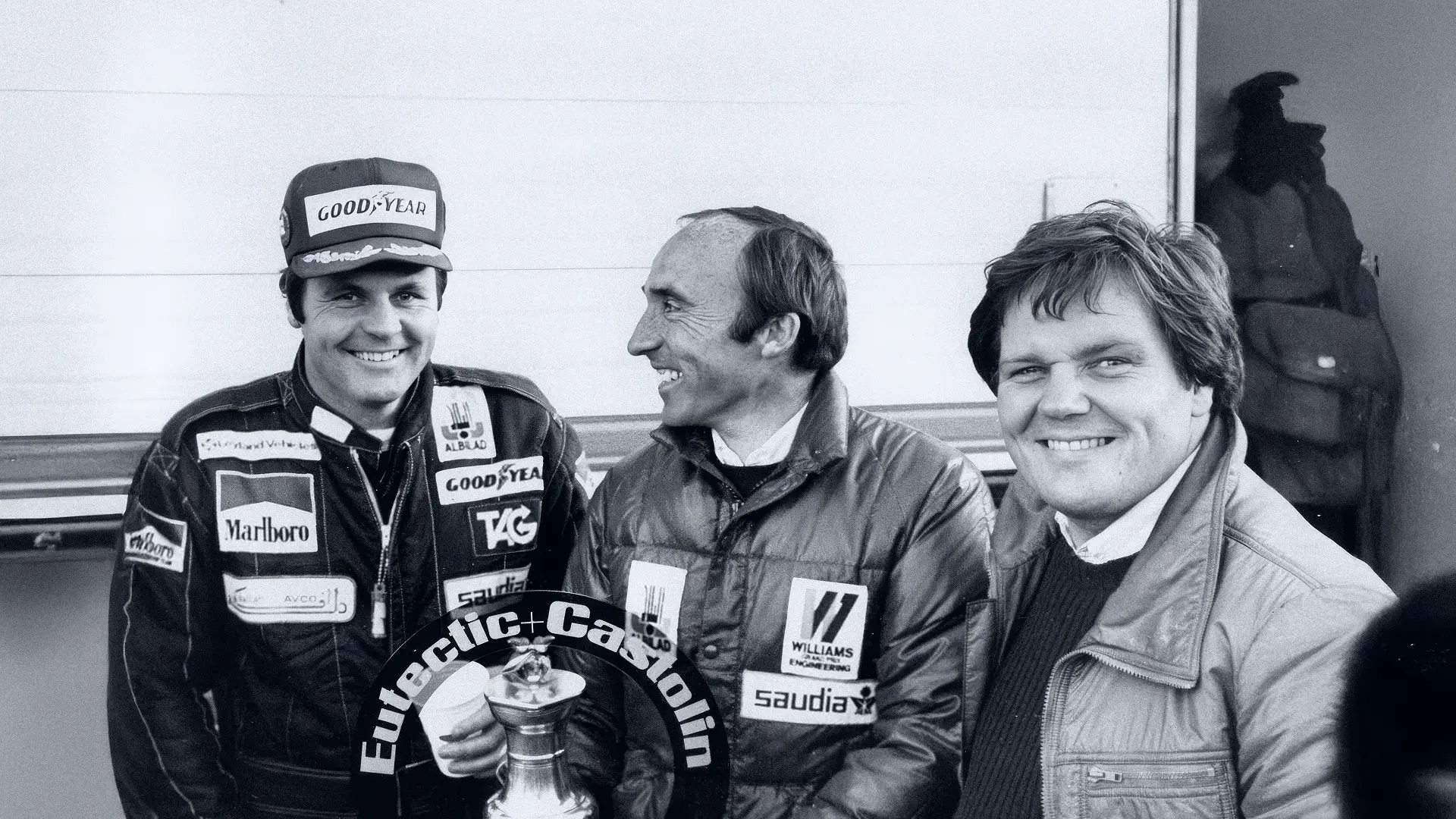
Three men smiling, two wearing racing suits with sponsor logos, holding a trophy ring labeled Eutectic+Castolin.

The story so far

1977
Williams founded
Sir Frank Williams and Sir Patrick Head establish an engineering-led Formula 1 constructor.
1979
First Formula 1 victory
Engineering fundamentals translate directly into race winning performance.
1980
First Constructors’ Championship
The FW07’s ground effect aerodynamics and mechanical systems deliver Williams’ opening title.
1986
Systems integration at the highest level
Honda turbo collaboration and a Constructors’ title highlight Williams’ power unit and integration expertise.
1992
FW14B, one of the most advanced F1 cars ever built
Active suspension, advanced control systems, and simulation led design deliver the Constructors’ and Drivers’ titles.
1993
Control systems and simulation led design
FW15C continues the winning sequence through advanced modelling and data intelligence.
1994
Engineering adaptability under regulatory change
Constructors’ title retained despite a fundamental shift in technical rules.
1996
One of the most dominant seasons in F1 history
FW18 wins Constructors’ and Drivers’ Championships.
1997
Seventh Constructors’ Championship
Repeatable high performance engineering at the top of the sport.
2008
Williams Hybrid Power established
F1 derived energy recovery systems commercialised for the first time.
2010
Williams Advanced Engineering formed
F1 engineering capabilities applied formally to sectors beyond motorsport.
2014
Williams Hybrid Power sold to GKN
The first major externalisation of Williams-derived technology, demonstrating commercial and engineering value.
2020
Dorilton Capital acquires Williams
Renewed investment in
facilities, tools, and long term
engineering capability.
2022
Williams Advanced Engineering sold to Fortescue Metals Group
Williams’ consultancy arm transitions under new ownership.
2024
Williams Grand Prix Technologies Launched
Established as a separate engineering business alongside Atlassian Williams F1 Team, focused on advanced engineering challenges in marine, defence, energy, and mobility.
2026
ES10M marine battery system launched
Our first commercial product launches, a high-performance, modular marine battery system engineered for hybrid and full- electric applications across the marine sector.
arrow_back
Previous
arrow_forward
Next
Our Technology

Built on physics. Proven in performance.
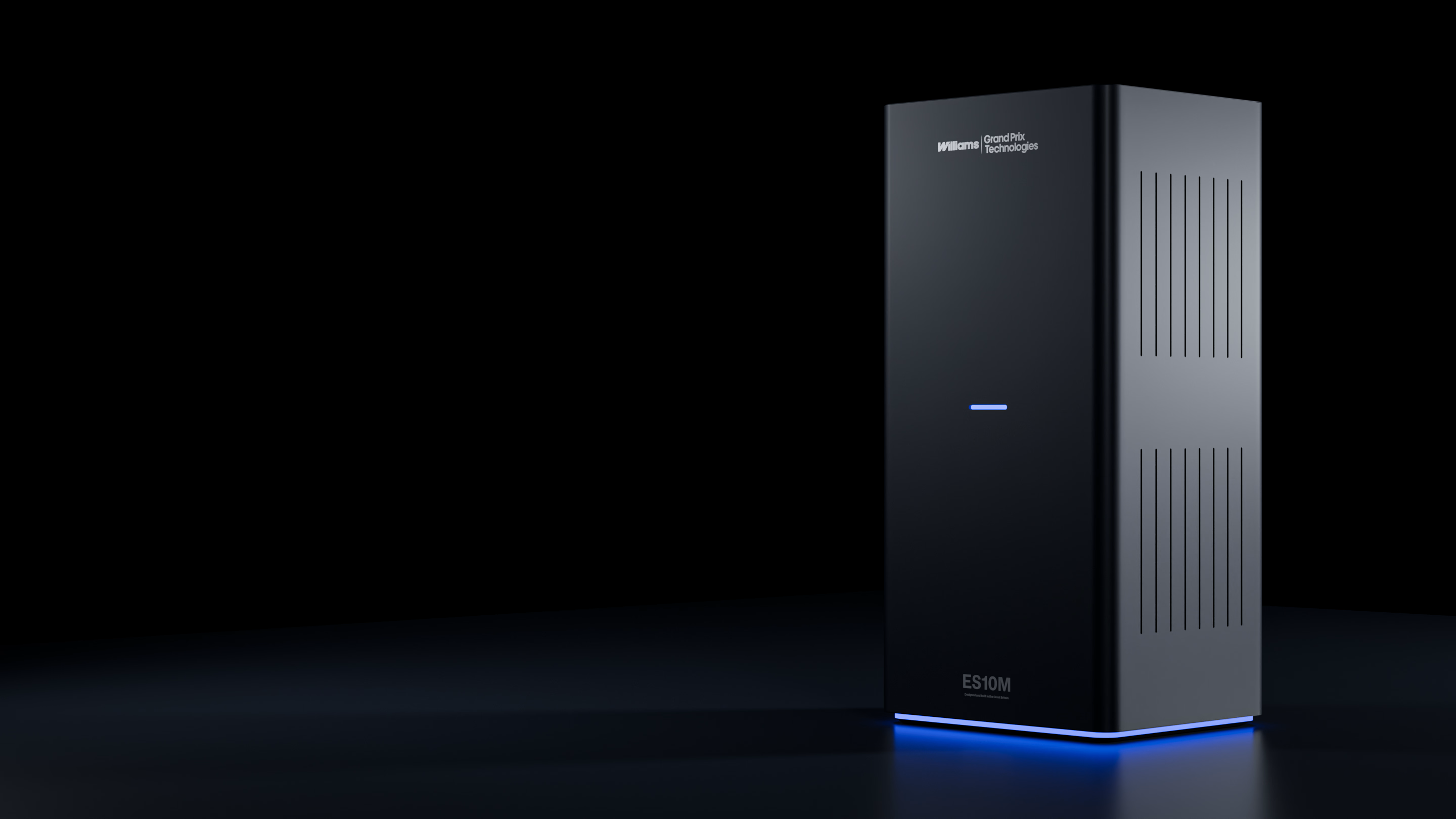
Black gaming PC tower with blue LED lighting and Williams Grand Prix Technologies logo.
arrow_forward
Next

Energy Storage Systems

High-performance modular marine battery systems engineered for safety, power, and scale.
Explore our energy storage systems
Close-up of a computer monitor displaying charts and graphs against a dark background.
arrow_forward
Next

Physics-informed Machine Learning

Predictive models grounded in first-principles physics, not black-box inference. Built for systems where being wrong has consequences.

Explore our Physics-informed Machine Learning section